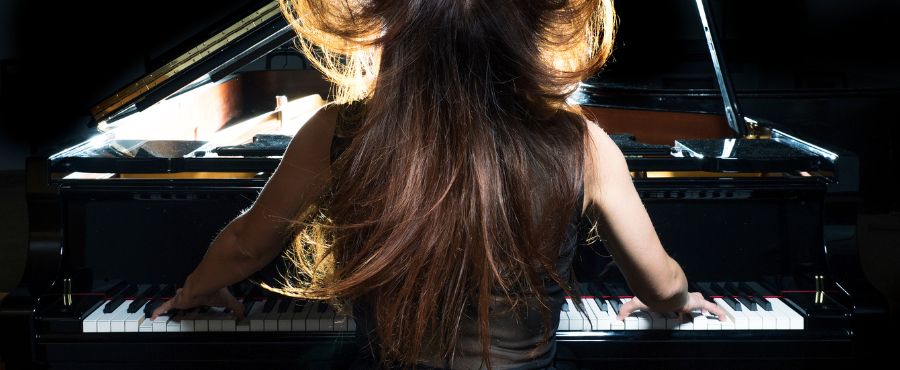
What is a "recital," anyway? And why should you go?
Whether you’re a seasoned concertgoer or looking for something unique a fun to do in 2026, the word "recital" often evokes a mix of excitement and butterflies. But what exactly is a recital, and how did it become such a staple of our cultural life?
What is a Recital?
In the world of performing arts, a recital is a focused performance, typically featuring a soloist or a very small group. Unlike a full-blown concert with an orchestra, a recital is an intimate "musical diary" where an artist shares their personal interpretation of a repertoire.
The word itself comes from the Latin recitare, meaning "to read aloud". Originally, this referred to the spoken word—poetry, stories, or legal statements. Today, whether it's a pianist, a dancer, or a vocalist, the performer is essentially "reciting" a story through their art.
A Wild History: The Invention of the Soloist
Before the 19th century, musicians almost always performed in groups. The idea of a single person commanding the stage for an entire evening was unheard of—until Franz Liszt.

The "Soliloquy": In 1839, Liszt began giving solo performances in Rome, which he called "musical soliloquies".
The First Recital: On June 9, 1840, in London, Liszt officially used the term "recital" for a musical performance for the first time.
The "Rock Star" Revolution: Liszt changed everything. He was the first to play entirely from memory, the first to turn the piano sideways so the audience could see his profile, and the first to open the lid to project the sound.
Lisztomania: His recitals were so intense they sparked "Lisztomania," with fans fighting over his cigar butts and broken piano strings.
Composer Franz Liszt
Why You Should Attend a Recital in 2026
In an age of digital streaming, the live recital remains one of the most powerful ways to experience art. Here is why you should clear your calendar for one this year:
Raw Intimacy: There is nowhere to hide in a recital. You are witnessing a high-stakes, unassisted performance where every breath and nuance is audible.
Witnessing Growth: For student recitals, you aren't just hearing music; you're seeing courage in action. It’s a celebration of months of discipline and the bravery required to face "stage fright" head-on.
Building Community: Recitals bring people together in a way that critics and fans of large concerts often miss. They are supportive environments that celebrate shared achievements and human connection.
Inspiration: Watching a performer—whether a beginner or a pro—can spark your own creative goals.
Weekly newsletter
No spam. Just the latest releases and tips, interesting articles, and exclusive interviews in your inbox every week.
Thank you! Your submission has been received!
Oops! Something went wrong while submitting the form.
Explore concerts, recitals, and events to connect you with music, your community, and yourself.