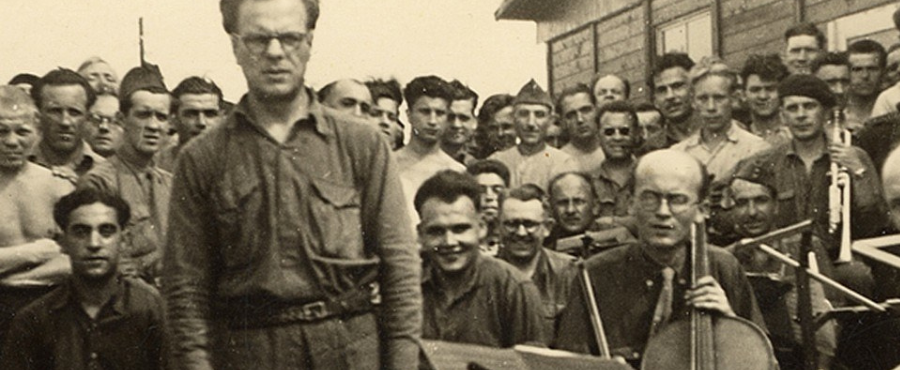
In the history of 20th-century music, few works carry as much emotional and spiritual weight as Olivier Messiaen’s Quatuor pour la fin du temps (Quartet for the End of Time). Written under the most improbable circumstances, it is a testament to the resilience of the human spirit and a gateway to a sound world unlike any other.
The Composer: A Visionary in Uniform
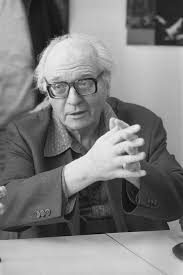
Olivier Messiaen (1908–1992) was not your typical avant-garde composer. A devout Catholic, a brilliant organist at Paris’s Église de la Sainte-Trinité, and a passionate ornithologist, he viewed music through a lens of "theological rainbows." He famously experienced synesthesia, a condition where he "saw" colors in response to specific musical chords.
When World War II broke out, the 31-year-old Messiaen was drafted into the French army as a medical auxiliary. In June 1940, he was captured by German forces and sent to Stalag VIII-A, a prisoner-of-war camp in Görlitz, Germany (modern-day Poland).

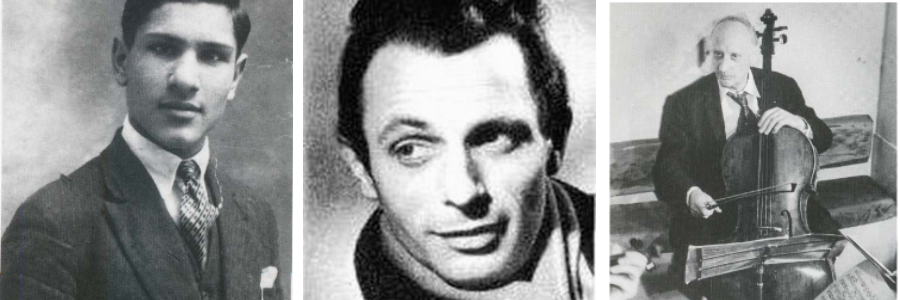
The "Quartet" was literally forged in captivity. Stripped of his clothes but clutching a bag of miniature scores, Messiaen found three other professional musicians among the prisoners: clarinetist Henri Akoka (aged 28), violinist Jean le Boulaire (aged 27), and cellist Étienne Pasquier (aged 35).
With the help of a sympathetic German guard, Carl-Albert Brüll, who provided paper and pencils, Messiaen began composing for the only instruments available. The work premiered on January 15, 1941, in a freezing camp barracks. While legends often claim 5,000 prisoners attended, more realistic accounts suggest an audience of about 400 guards and inmates listened in rapt silence.
Musical Analysis: A Journey Through Eight Movements
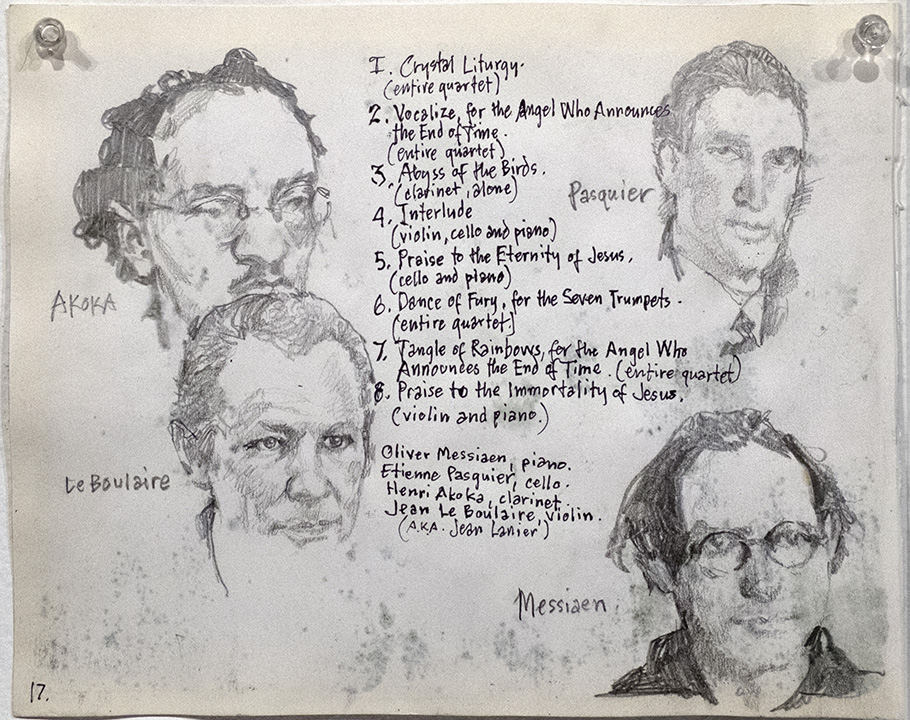
The title refers to the Angel of the Apocalypse in the Book of Revelation who declares, "There shall be time no longer." Structurally, the work is a masterpiece of "rhythmicized harmony."
Reception and Legacy
At its premiere, the work was received with a level of attention Messiaen claimed he never experienced again. In the decades since, it has become one of the most performed chamber works of the 20th century. While early critics were sometimes baffled by its "static" nature and religious fervor, modern audiences recognize it as a supreme act of creative resistance.
Why Attend a Performance?
Attending a live concert of the Quartet for the End of Time is less a "performance" and more an immersive experience. You benefit from:
Redlands Symphony musicians—Kathryn Nevin (clarinet), Sam Fischer (violin), Aristides Rivas (cello), and Lara Urrutia (piano)—performing this stunning work on Sunday, April 19th at 3:30PM. Join our musicians on-stage for an immersive and deeply moving experience you can only get right here in Redlands.
Use this link to purchase tickets and name your own price.
.png)
Weekday Box Office & Administrative Offices
301 9th Street, Suite 302
Redlands, CA 92374
When visiting, please enter through Door 300.


